A feature-rich watch is useful for someone who wants a display, active measurements, and controls on the wrist. Another person may want the opposite: fewer prompts, a smaller integrated display, and a device that quietly collects selected wellness trends.

The appeal of less interaction
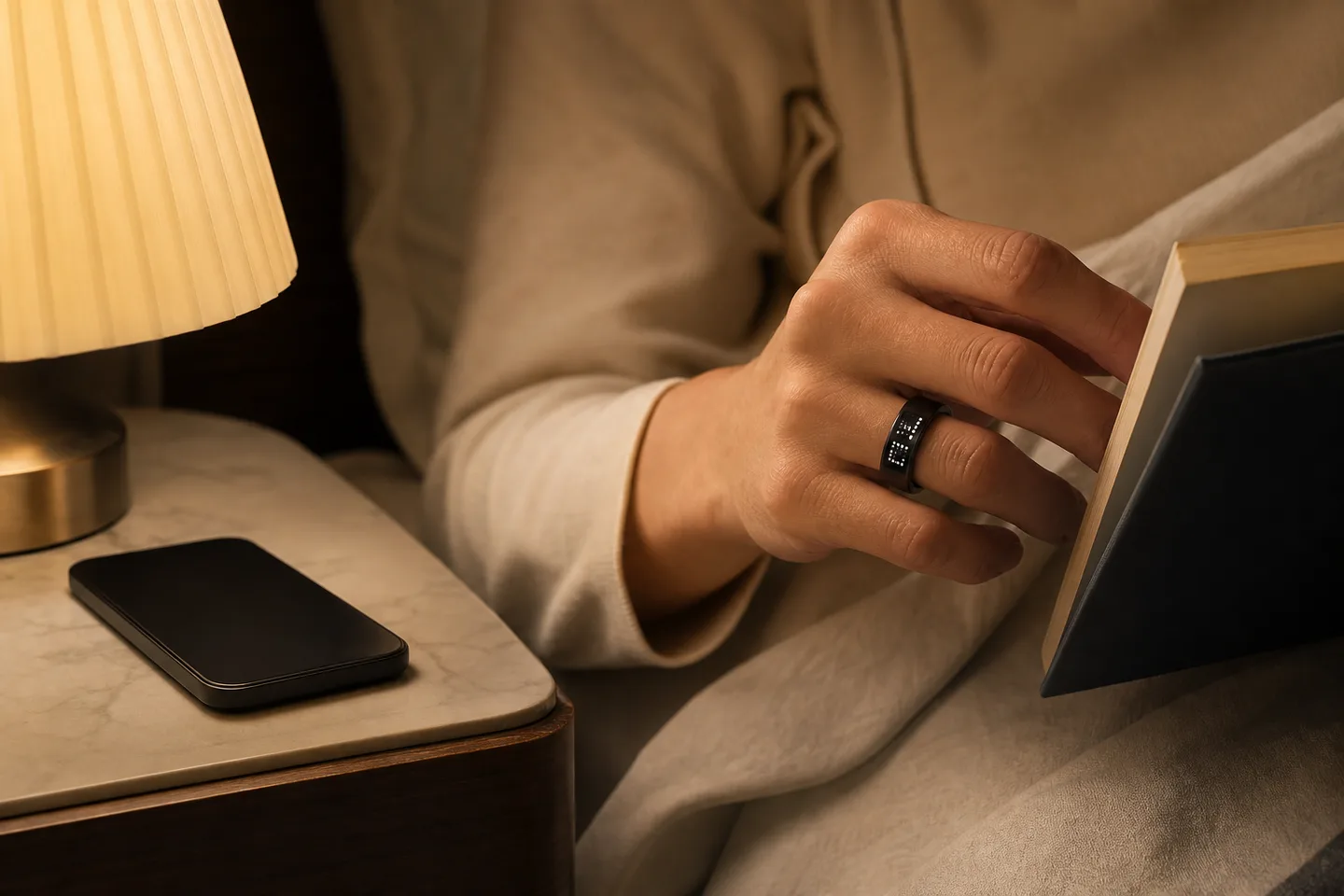
A compact ring such as R7 includes an integrated display and can support heart-rate, blood-oxygen, sleep, and activity trends without the full interface of a watch. The tradeoff is equally important: R7 does not include an inflatable cuff or an ECG snapshot, and ring fit deserves careful attention.
Choose around the routine
If an inflatable wrist check is central to the routine, explore W9S. If an ECG-focused wrist routine without an inflatable cuff matters more, explore E8. If passive day-and-night trends and discreet wear matter more, a ring may fit better. Comfort, charging habits, app compatibility, and current product specifications should all be reviewed before ordering.
The practical lesson
The best wearable is not automatically the one with the most features. It is the one whose form and routine match the user. All supported metrics remain general wellness information, not diagnosis or treatment.
0 comments