Before interpreting sleep data, make the tracking routine dependable. A missed night may simply mean the battery ran out, the sensor lost contact, or the device was left on a charger. Consistency makes the pattern easier to understand.
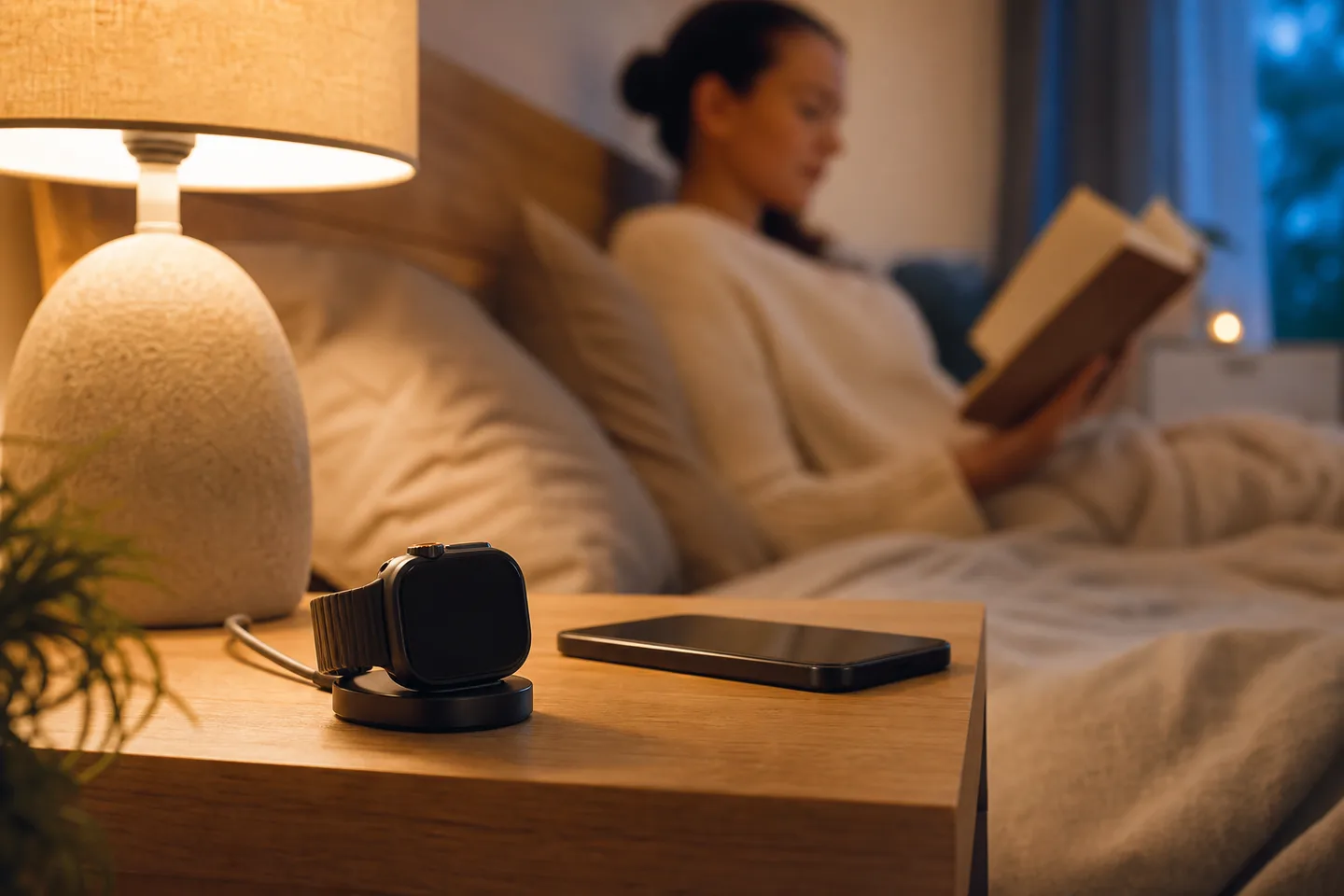
Set up the evening
- Choose a daytime charging window so the device is ready before bed.
- Confirm a comfortable, secure fit and clean, dry sensor contact.
- Reduce unnecessary notifications if the device or phone interrupts your wind-down.
- Note the approximate time you intend to sleep.
Keep the morning review short
Record wake time, how rested you feel, major awakenings you remember, and whether the device stayed on. Do not spend the first part of the day trying to optimize a score. Review several nights together once or twice a week.
Change one variable
If the trend suggests an inconsistent bedtime, try a steadier schedule before changing several other habits. If daytime fatigue or sleep difficulty persists, do not rely on the wearable to explain it. A qualified healthcare professional can evaluate concerns that general wellness tracking cannot.
0 comments