A wearable estimates sleep from signals such as movement and heart-rate patterns. It does not directly observe every sleep stage, thought, awakening, or breathing event. Treat the nightly report as an estimate that becomes more useful when you review a longer pattern.
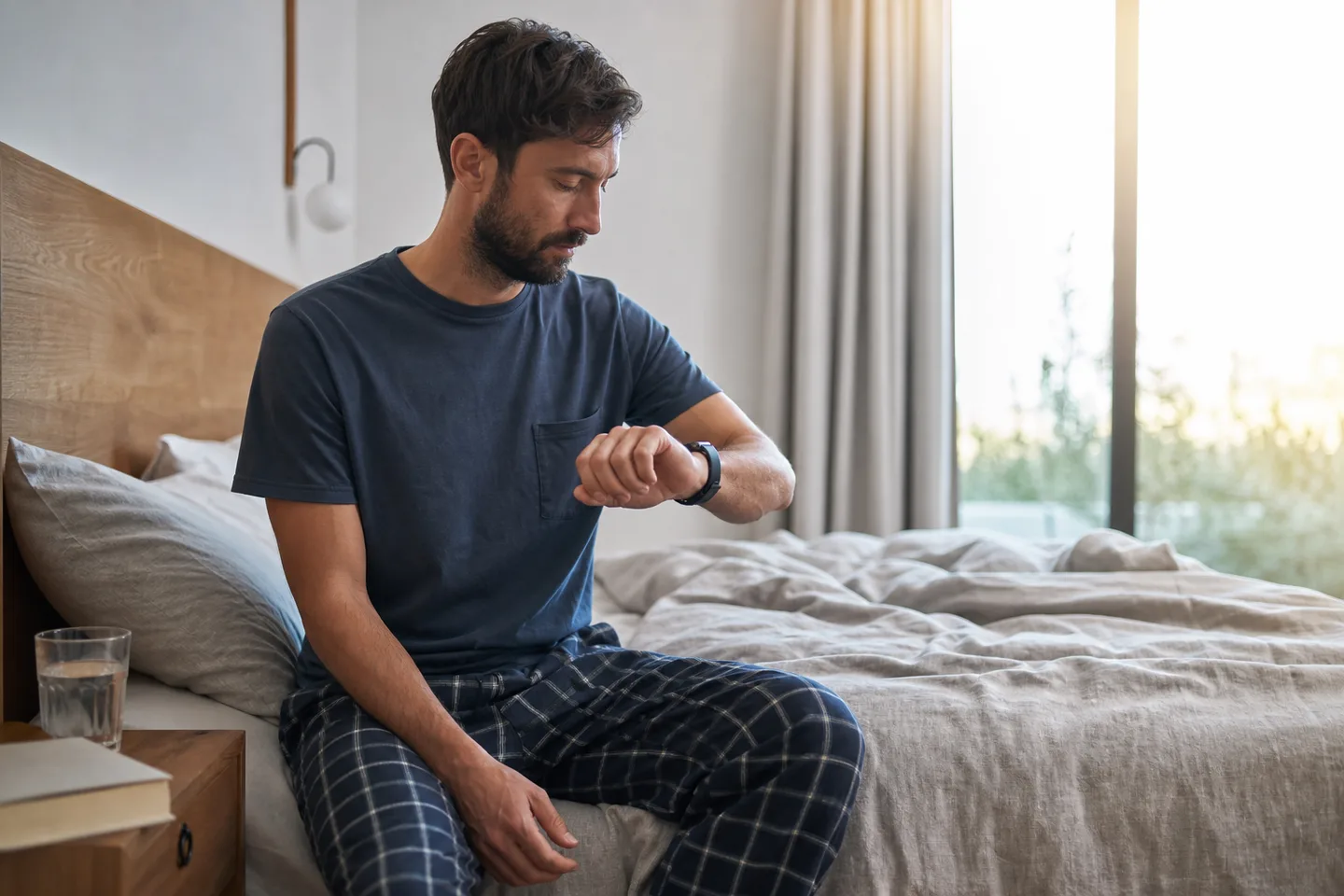
Useful questions for a weekly review
- Was bedtime reasonably consistent?
- Did device wear or charging create gaps?
- How did morning energy compare with the estimated duration?
- Did travel, alcohol, caffeine, late meals, exercise, or stress change the routine?
A difference between the app and your memory does not mean either is perfectly right. Add a short note and look for repeated patterns.
Choose a behavior, not a score
If several nights show a late bedtime, try moving the wind-down period earlier. If the device was often off the wrist, solve the charging routine before interpreting the data. Avoid judging your health or mood by a single sleep score.
Know when to ask for help
Wearable sleep trends do not diagnose sleep disorders. Persistent trouble sleeping, significant daytime sleepiness, or concern about breathing during sleep should be discussed with a qualified healthcare professional. The CDC provides general sleep information and public-health resources.
0 comments