A smartwatch can sample heart rate throughout the day and organize those readings into a trend. The pattern may help you notice differences between rest, walking, exercise, sleep, stress, or recovery. It cannot explain the cause of a change by itself.
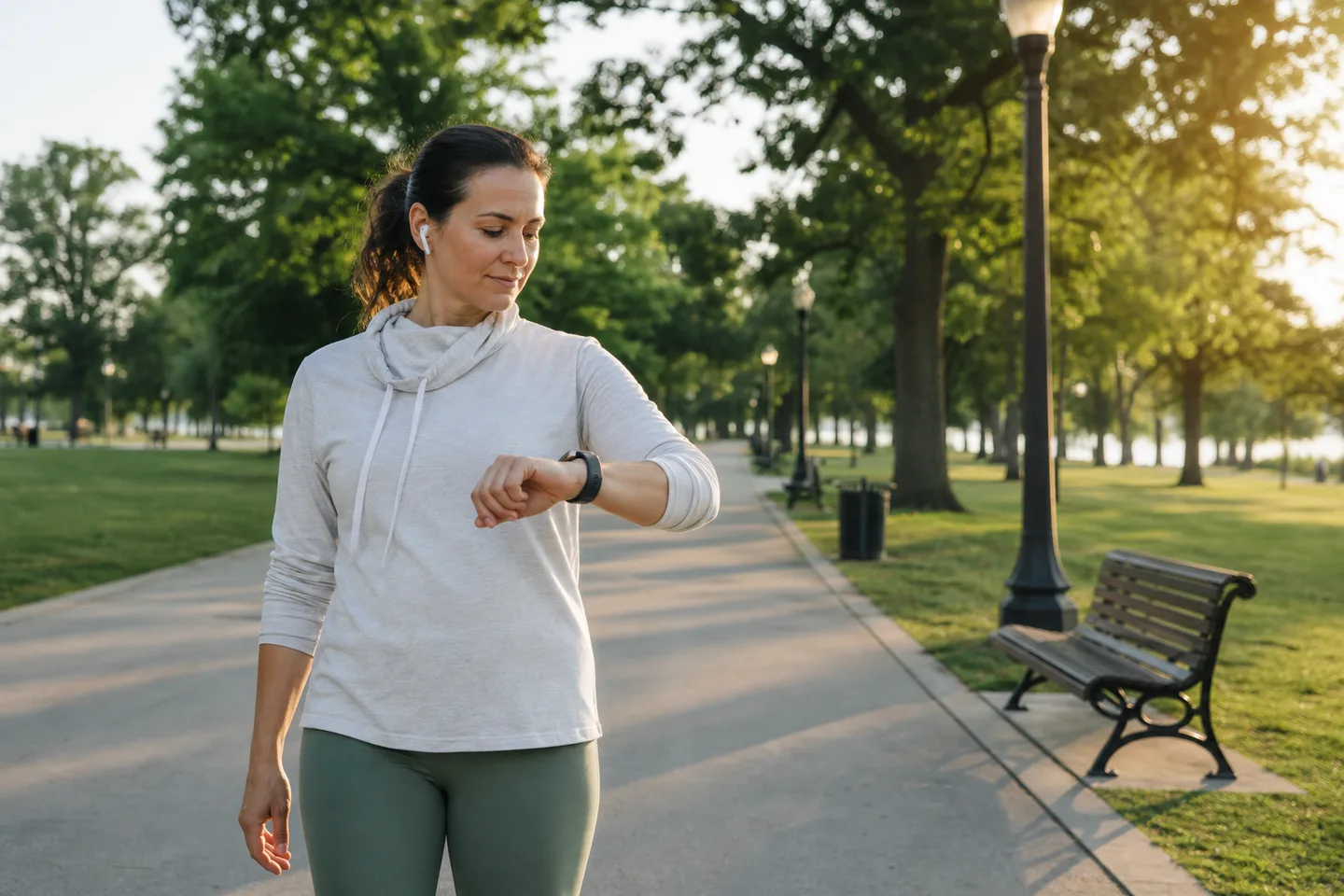
Build a personal baseline
Wear the sensor flat against clean, dry skin and use a consistent fit. Compare similar periods, such as quiet mornings across several days, instead of comparing a workout peak with a resting value. Note travel, poor sleep, caffeine, illness, or a hard training session because context often matters.
Watch the data quality
Motion, loose fit, cold skin, tattoos, sweat, and intermittent contact can affect optical sensor readings. A gap or sudden change may be a real event, a context change, or a measurement artifact. Check the device position and look for a repeated pattern before deciding the data is useful.
Do not self-diagnose from a graph
Wearable heart-rate trends support general wellness awareness. They do not diagnose rhythm conditions or explain symptoms. If you feel chest pain, faint, have severe shortness of breath, or believe you may have an emergency, seek immediate help. For a persistent concern, share the dates, context, and symptoms with a qualified healthcare professional.
0 comments