A surprising number attracts attention, but a single wearable reading has limited context. It may reflect a genuine change, recent activity, stress, poor sensor contact, movement, or a different measurement routine. The device cannot decide which explanation applies.
Pause before interpreting
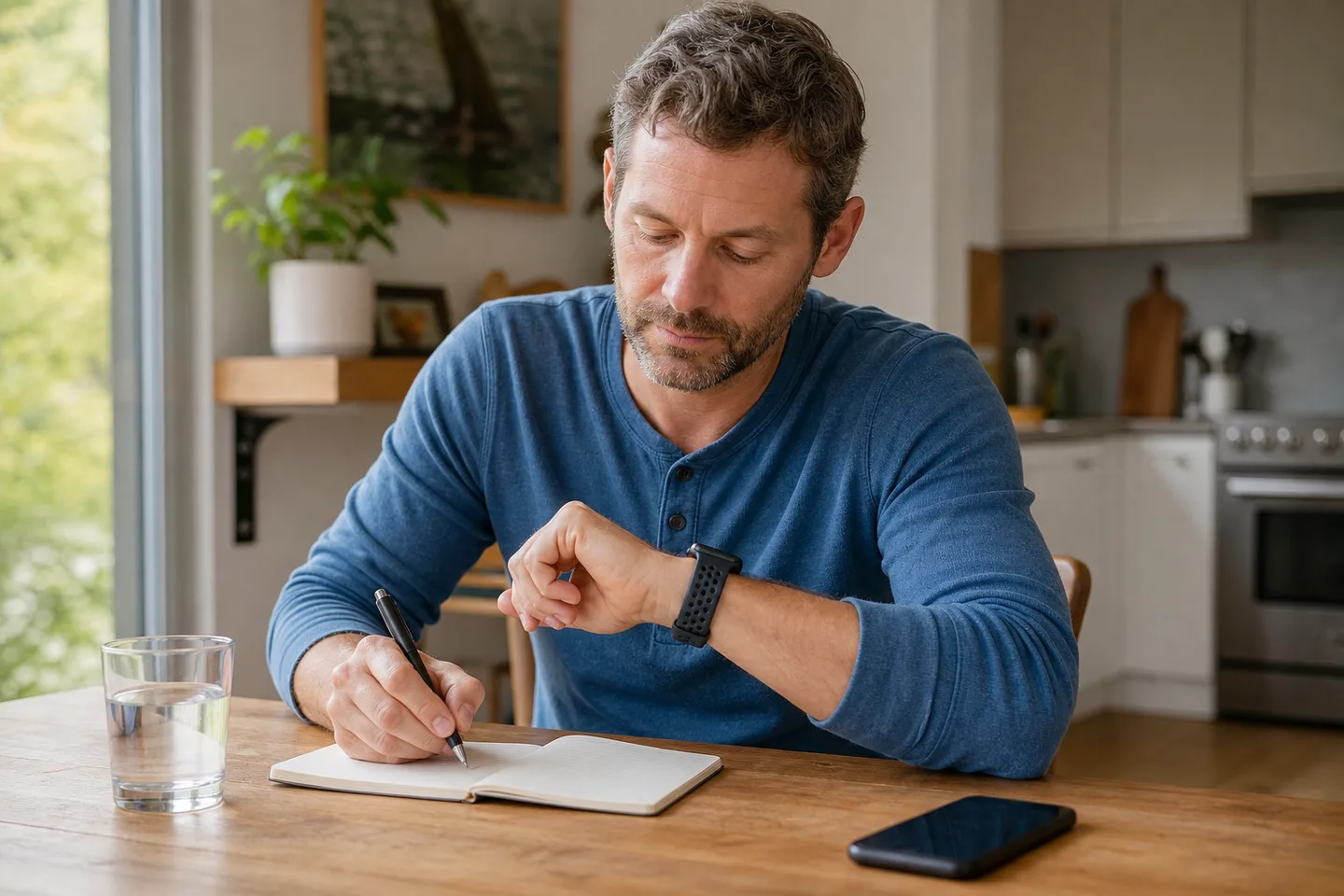
First consider how the measurement was taken. Was the device secure? Were you moving or speaking? Had you just climbed stairs, consumed caffeine, or moved from a cold room? If the feature supports a manual check, follow its instructions and repeat only after an appropriate quiet period.
Use a short record
Write down the date, time, device, activity, how you felt, and whether the result repeated. Several comparable observations create a more useful picture than frequent checks under changing conditions. Avoid obsessively measuring or trying to force the graph toward a perfect value.
Symptoms change the decision
If you have symptoms or feel unwell, do not wait for a trend or use a normal-looking wearable number to dismiss the concern. Seek appropriate care. Wearable data is general wellness information and may be shared as context with a healthcare professional, who can decide whether a clinical measurement or evaluation is needed.
0 comments